
Beat the Bloat: Understanding Gas and Bloating
We have all had that uncomfortable sense of fullness and trapped gas. While embarrassing, gas and bloating are completely normal digestive responses that can usually be managed with easy lifestyle modifications.
Bloating can make people feel big or tight in their abdomens, comparable to how you feel after eating a huge Thanksgiving meal. Gas and bloating can be caused by a variety of circumstances, according to APRN Nikkole Town of White-Wilson Gastroenterology Clinic. “The incomplete digestion of proteins, carbohydrates, or fats, as well as an imbalance between good and bad bacteria in the gut, can cause occasional gas and bloating.”
What’s Causing the Discomfort?
Common culprits include:
- Gas-producing foods like beans, broccoli, cabbage, and carbonated drinks create extra air in your digestive system, while dairy products can trigger symptoms in lactose-intolerant individuals.
- Artificial sweeteners in sugar-free gums and candies are notorious bloating triggers.
- Eating too quickly causes you to swallow excess air.
- Stress and irregular eating patterns can also disrupt normal digestion, leading to uncomfortable symptoms.
Simple Solutions That Work
- Dietary changes make the biggest difference. Eat slowly and chew thoroughly to reduce swallowed air. Identify your trigger foods by keeping a food diary, and consider reducing beans, cruciferous vegetables, and carbonated beverages if they consistently cause problems.
- Lifestyle modifications include taking short walks after meals to aid digestion, managing stress through relaxation techniques, and staying hydrated throughout the day.
- Natural remedies, such as peppermint tea, ginger, and probiotics, can provide gentle relief for many people.
Understanding Persistent Digestive Issues
Bloating and gas can occasionally be signs of underlying digestive issues. The American Gastroenterological Association (AGA) reports that Irritable Bowel Syndrome (IBS) impacts 10-15% of individuals worldwide, presenting with persistent abdominal pain, bloating, and changes in bowel movements. Small Intestinal Bacterial Overgrowth (SIBO) is characterized by an abnormal increase in bacterial populations within the small intestine, resulting in persistent gas and bloating after meals.
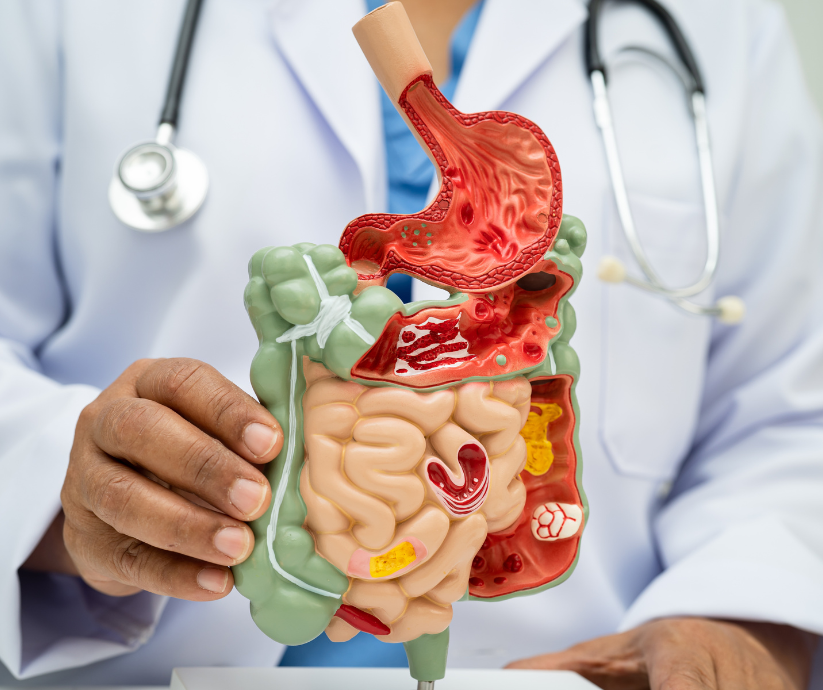
Food intolerances, such as gluten sensitivity or FODMAP intolerance, can cause ongoing digestive issues. FODMAPs are specific types of carbohydrates that are poorly absorbed in the small intestine. When these carbohydrates reach the large intestine, gut bacteria ferment them, leading to symptoms like gas, bloating, abdominal discomfort, and changes in bowel habits. The National Institute of Diabetes and Digestive and Kidney Diseases (NIDDK) describes gastroparesis as a condition where the stomach empties slowly, causing prolonged fullness and bloating after meals.
Managing Chronic Abdominal Discomfort
A systematic approach to managing persistent symptoms by eliminating diet to identify specific trigger foods, focusing on common culprits like gluten, dairy, or high-FODMAP foods. Consider working with a registered dietitian who can guide you through this process safely.

Stress management becomes crucial for chronic digestive issues because of the strong gut-brain connection that affects symptoms. Regular exercise, sufficient sleep, and stress-reduction techniques like meditation can provide significant relief.

Targeted supplements can help, such as digestive enzymes to improve food breakdown, while specific probiotics may restore a healthy gut bacteria balance. Always consult your healthcare provider before starting new supplements.

When to See Your Doctor
“Seek medical attention immediately if you experience severe abdominal pain, unexplained weight loss, changes in bowel habits, or persistent symptoms lasting longer than two weeks,” advised APRN Town, a gastrointestinal specialist. “Severe cramping, fever, vomiting, or blood in the stool are red flag symptoms,” added APRN Town.
“Early diagnosis leads to more effective treatment and better quality of life. Your doctor may recommend tests like a colonoscopy for inflammatory conditions, or blood work to rule out celiac disease,” explained APRN Town.
Take Control of Your Digestive Health
While occasional gas and bloating are normal, you don’t have to suffer through persistent discomfort. Start with simple dietary and lifestyle changes, keep track of your symptoms, and don’t hesitate to seek professional help when needed. Your digestive health significantly impacts your overall well-being, and effective solutions are available.
APRN Nikkole Town is a board-certified advanced registered nurse practitioner providing care for patients at White-Wilson Gastroenterology Clinic in Fort Walton Beach. Her approach to patient care focuses on health promotion and disease prevention. Learn more about APRN Town and her approach to patient care here.