Women’s Mental Health: Make Your Well-Being A Priority
Women often carry many responsibilities at once, such as careers, relationships, children, aging parents, households and community commitments. While taking care of others can be rewarding, constantly putting your own needs last can take a toll on your mental and physical health.
Mental health is an important part of your overall health, and paying attention to your emotional well-being deserves the same care as your physical health.
Recognize When Stress Is Becoming Too Much
Everyone experiences stress. In small amounts, it can help us respond to challenges and get things done. But when stress becomes constant or overwhelming, it can begin affecting everyday life.
Chronic stress may contribute to headaches, difficulty sleeping, changes in appetite, digestive problems, fatigue, difficulty concentrating or irritability. It can also make it harder to maintain other healthy habits.
“Women sometimes become so accustomed to taking care of everyone else that they don’t recognize when their own mental health is suffering. If stress, anxiety or sadness begins interfering with daily life, it’s important to talk about it,” explains, APRN Aaliyah Denton, White-Wilson Adult Medicine.
Pay Attention to Emotional Changes
A difficult week doesn’t necessarily mean something is wrong. However, persistent changes in your mood or behavior deserve attention.
Talk with your healthcare provider if you experience ongoing sadness, excessive worry, loss of interest in activities you usually enjoy, significant changes in sleep or appetite, difficulty concentrating, feelings of hopelessness or a sense that you are constantly overwhelmed.
Mental health can also change during different stages of a woman’s life. Pregnancy, the postpartum period, hormonal changes, perimenopause, menopause, caregiving responsibilities and major life transitions can all affect emotional well-being.
Make Room for Yourself
Self-care doesn’t have to mean expensive treatments or hours of free time. It can begin with small, intentional choices. APRN Denton provided the following practical steps:
- Regular physical activity can support both physical and mental health.
- Getting enough sleep, eating regular nutritious meals, and spending time outdoors can help improve your mood.
- Staying connected with friends and family can also help when you need emotional support.
- Sometimes self-care means saying no, setting boundaries or simply giving yourself permission
Know When to Ask for Help
Healthy coping strategies are valuable, but they aren’t a replacement for professional support when it’s needed.
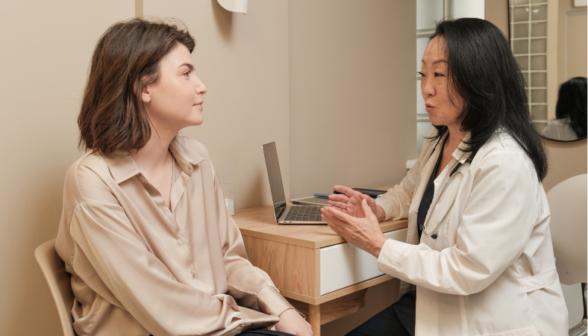
“Your primary care provider can be a good starting point. Mental health can be discussed as part of your routine healthcare, just like blood pressure, sleep, nutrition or other concerns. Your provider can listen, help evaluate what you’re experiencing and connect you with additional resources or treatment when appropriate,” APRN Denton advised.
You don’t have to wait until you’re in crisis to start that conversation. Taking care of your mental health isn’t separate from taking care of your body. They are both important parts of living a healthier life.
APRN Aaliyah Denton provides comprehensive Adult Medicine care at White-Wilson Medical Center in Navarre. Her approach to care is rooted in primary prevention, and she believes that true wellness encompasses far more than physical health. Learn more about APRN Denton, click here.
This article is intended for general informational purposes only and does not constitute medical advice. Always consult a qualified healthcare provider with questions about your health.